
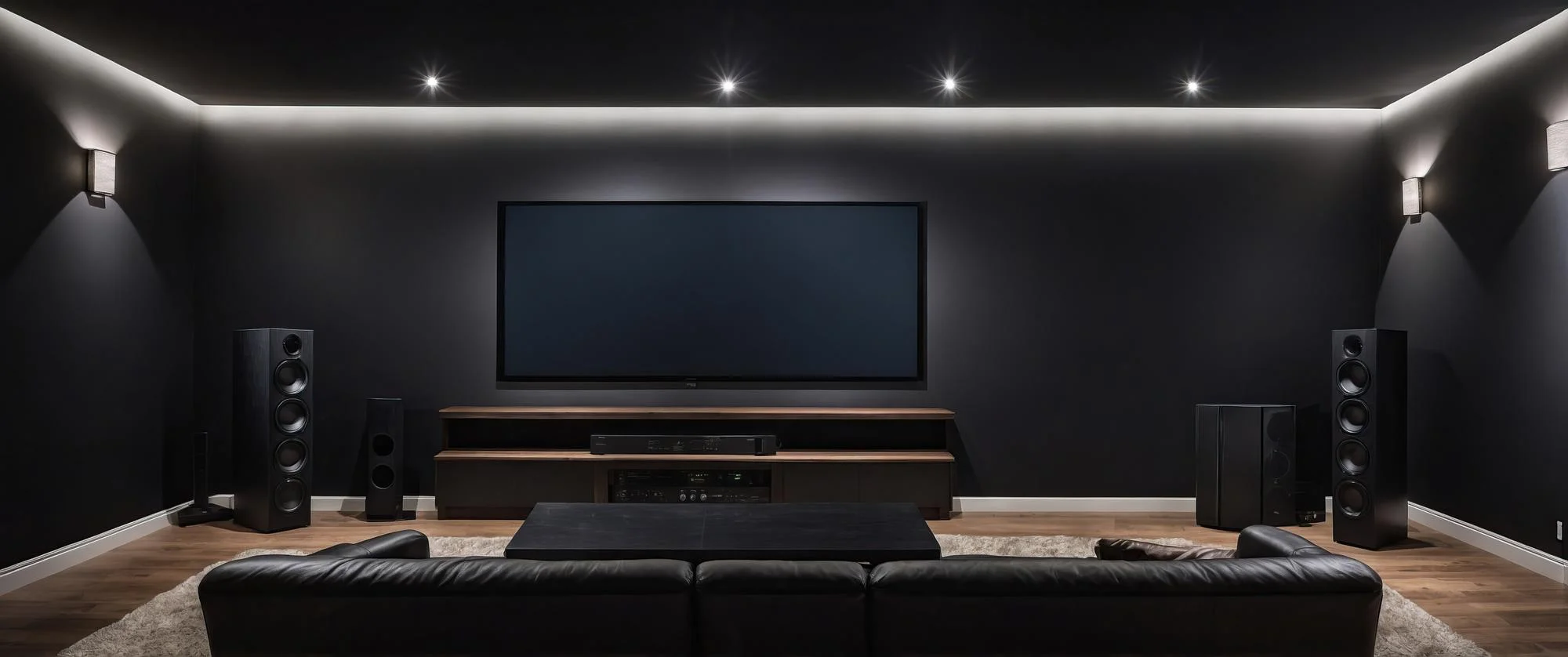
When it comes to home theater installation Chicago, the biggest mistake homeowners make is focusing only on equipment—forgetting that the room itself can make or break the experience. Choosing the right room isn’t just about space; it’s about acoustics, light control, comfort, and design flexibility. Here’s a detailed guide on finding the perfect location.
Consider Room Size and Shape
A rectangular room is typically best for home theater installation because it helps with sound distribution. Square rooms can create audio distortions, while oddly shaped rooms may be hard to arrange seating and screens properly. Aim for a medium to large space that allows at least 10–15 feet between the screen and seating area.
Control Over Lighting
Ambient light is the enemy of great picture quality. If you’re choosing between a bright living room with large windows and a basement with minimal natural light, the basement wins every time. That doesn’t mean you can’t install blackout shades or curtains elsewhere, but controlling light is essential.
Ceiling Height Matters
Higher ceilings often allow for better speaker placement, projector mounts, and ventilation. Still, standard ceiling heights can work well if carefully planned.
Soundproofing Potential
If you don’t want sound bleeding into other rooms, choose a space that’s naturally enclosed. Basements are ideal, as they’re separated from the main living area. With proper insulation, carpeting, and acoustic panels, you can create a truly immersive sound experience.
Access to Power and Wiring
Every home theater installation needs reliable power outlets, cable routing, and internet access. Rooms near existing wiring setups are easier and cheaper to transform than isolated spaces.
The best room for a home theater is one that balances light control, sound potential, and comfort. With thoughtful planning, any space can become cinematic. Choosing wisely ensures that your investment in home theater installation delivers maximum enjoyment for years to come.