
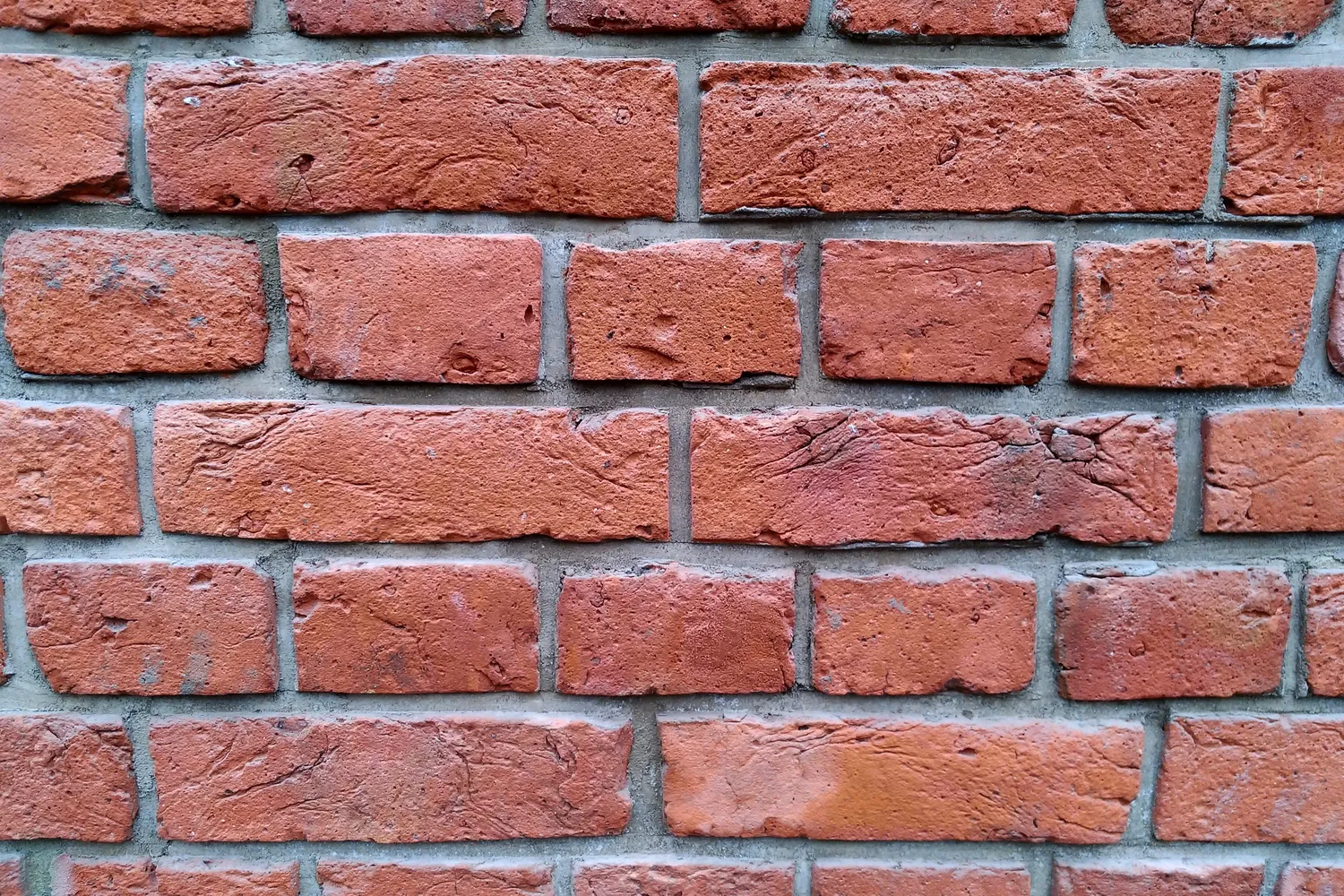
YouTube makes everything look easy—including tuckpointing near me Skokie. But brick restoration is an art form, not a weekend hobby. When done incorrectly, tuckpointing can lead to structural failure, water intrusion, and costly rebuilds.
Let’s take a closer look at the real risks of DIY tuckpointing and why this job is best left to professional masonry contractors.
Risk #1: Water Infiltration
One of the primary functions of mortar is to keep water out. When DIYers apply mortar incorrectly, they often create small gaps or leave uneven surfaces that collect water instead of shedding it.
Over time, this leads to:
- Interior water stains
- Mold and mildew
- Brick erosion
- Freeze-thaw damage
Professional masonry contractors shape joints in a way that directs water away from vulnerable surfaces—something DIYers often miss.
Risk #2: Structural Damage
Mortar is only as strong as its bond. If you don’t remove enough of the old material or apply new mortar too thinly, it won’t adhere properly. Worse, over-grinding can damage the brick itself.
This can compromise the entire structure, leading to loose bricks, leaning walls, or even collapse in extreme cases.
Risk #3: Aesthetic Mismatch
Matching old mortar in historic homes is both science and art. Color, texture, and joint width must align perfectly. Poor color matching is obvious and distracting—and irreversible without redoing the entire wall.
Professionals use custom mortar blends to maintain architectural integrity, especially in older or heritage properties.
Risk #4: Wasting Time and Money
DIY projects often end up taking longer and costing more. If the job goes wrong, you’ll still have to call a professional—only now, you’re paying for repairs on top of the original job.
DIY tuckpointing is like cutting your own hair—possible, but very risky. Your home deserves better than guesswork. Professional masonry contractors ensure the job is done right the first time—preserving your property and your peace of mind.